

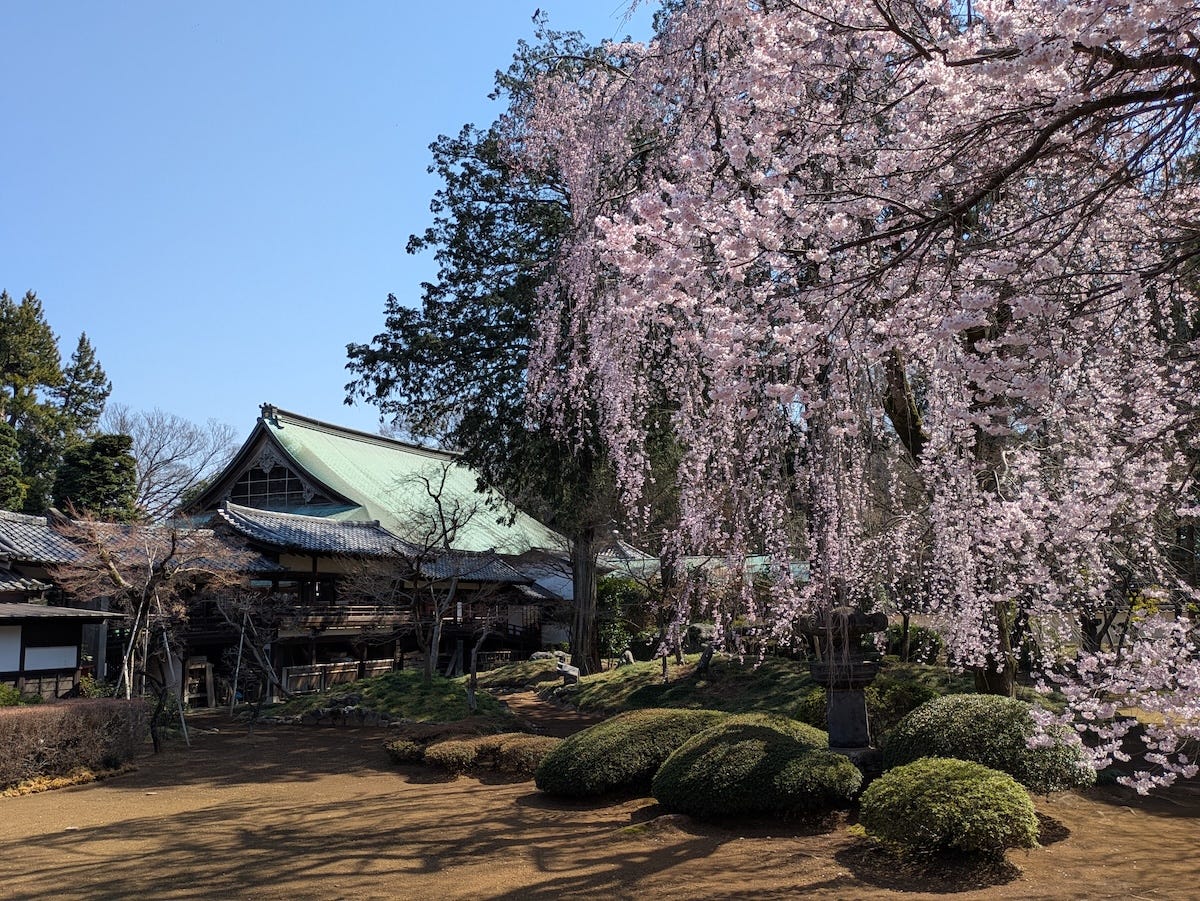
Life is slowly returning to normal here in Tokyo’s western suburbs. We’ve moved into our rental house and bought the minimum furniture and appliances to make it liveable. I’ve even started recording new podcast episodes (more on that soon).
I’m happy to have a proper workspace again. It’ll look much nicer when my books finally arrive from Berlin.
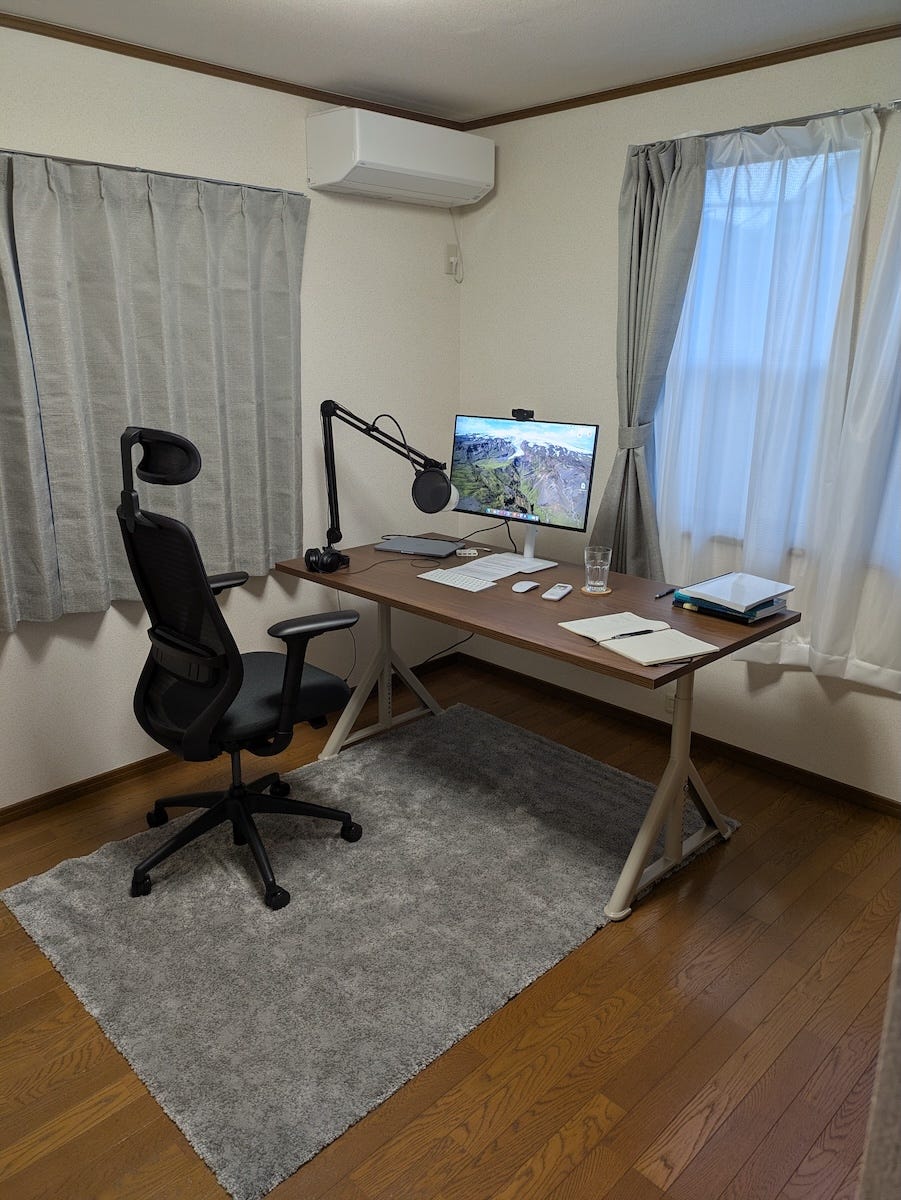
The first thing I did when we finally officially changed our address was to register for a public library card at my local ward branch.
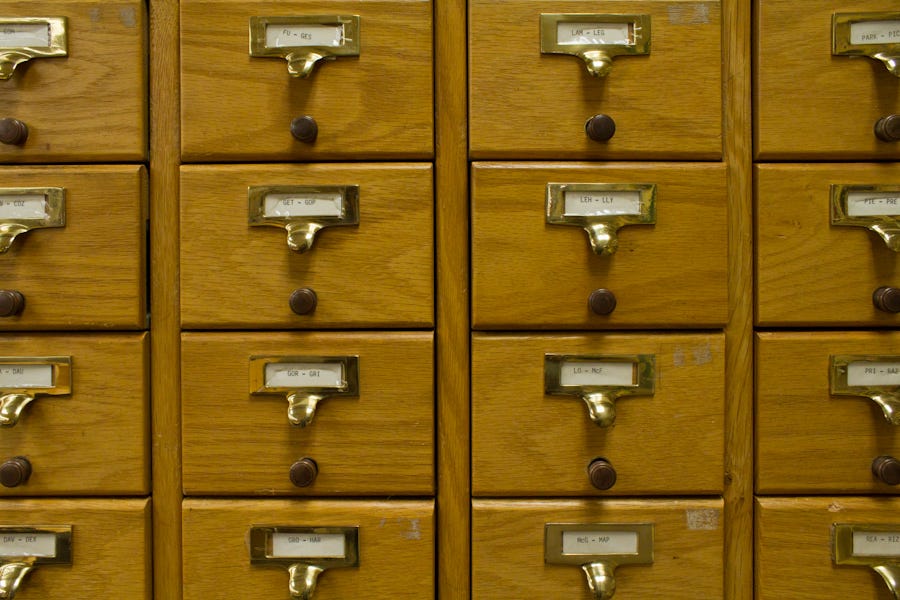
No matter where I am in the world, I feel immediately at home in a library: oriented in space by the catalog system and by the temple-like, almost ritual regularity of checkout desk, reference section, fiction and nonfiction.
I also feel oriented in Time—through the mathematical chronology of the history section, and in terms of the linear development of human thought through the eras of literature and poetry contained in the vast, sprawling fiction section, ordered only by the author’s last name and the alphabet.
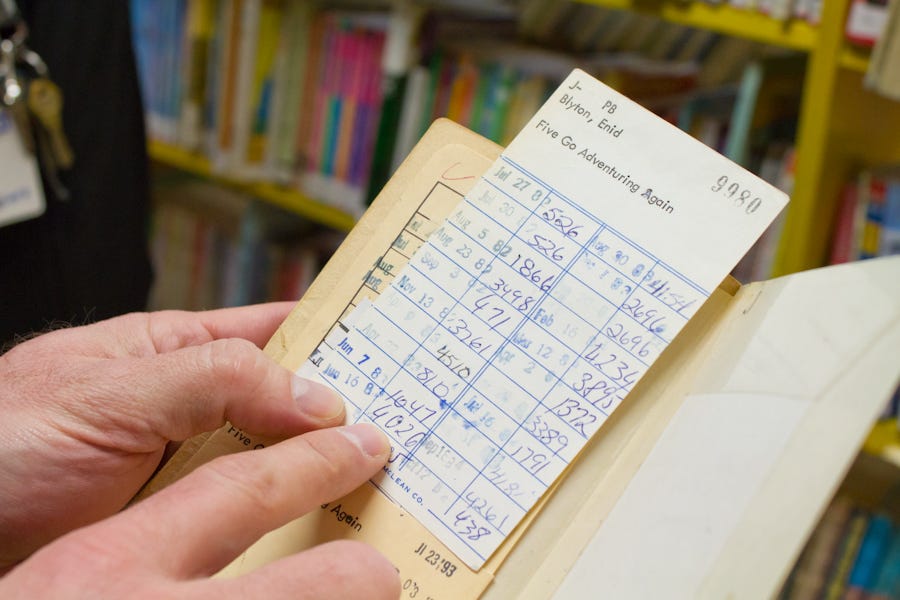
But more than that, the library also orients me immediately in the timeline of my own life. I remember when I first read a book—what age I was, what I thought, how I saw the world, and how I felt. The history of old discoveries, of my development, is contained in its walls, but only I hold the key. The map, the thread of this path through the words contained in those books, exists only in my memory and is entirely personal. It is the chronicle of my growth into the person I have become.
Each reader is their own patchwork quilt of memories and stories, and each accumulation is unique. So much depends upon the age at which we encounter a particular book, and what came before it—in terms of books, but also in terms of the experiences of our lives. Our memories are also changed by the books and experiences that came after. Nothing is fixed in Time. The future can and does alter the past.
Our personal pasts can be chopped into distinct phases of chronology, just as an archaeologist sections a slope of soil. They can also be chronicled developmentally. The developmental chronicle is never complete, because each moment—each new experience or book—changes it. Each impact ripples out to earlier and earlier stages, changing things to a depth dependent only upon its weight, its specific density in terms of personal importance.
The fundamental question is whether or not we can ever accurately picture the chronological past. Can we truly separate out what we know now, and remember what we thought and how we saw the world at a given moment?
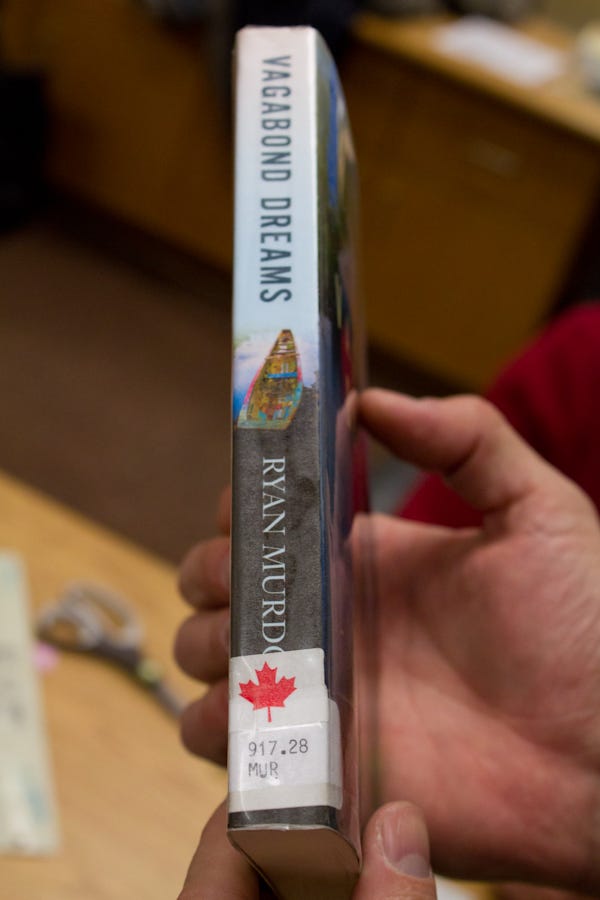
One way in to these slices of a life is through someone’s writing. The writing of a particular time period provides a glimpse into that person’s past—a version of that person from a distinct slice of time—a character-ological cross section that is gone forever with every passing moment.
In that sense, we are each our own repositories of knowledge. A ‘self’ is nothing more than a collection of memories—a living library.