

Tokyo has always been a city of rivers.
Edo-era (1600’s) woodblock prints depict a Venetian world where goods were transported through the city by boat. Even the Yoshiwara ‘pleasure district’ was called the Floating World.
Apart from the stately Sumida flowing past Asakusa and into Tokyo Bay, where are all those little rivers today?
Many were diverted or channelled underground. The rest were controlled, clad in concrete to prevent the sort of floods that once plagued low lying areas. Most look more like drainage culverts than the rivers they actually are.
I’d been wondering for years about two particular rivers, the Kanda River that flows through canyons of buildings past Ochanomizu, and the Nihombashi River that I’d walked along so many times this year.
I finally had a chance to float down both of them last weekend. I put together a few photos and a couple videos to give you a sense of what they look like. It’s a hidden side of Tokyo that few visitors or residents ever see.
The journey began at a lovely riverside spot on the Sumida right next to Hamarikyu Gardens, previously the Tokugawa shogun’s private retreat.
We left the sheltered harbour at Takeshiba Waters and entered the Sumida River where it opens into Tokyo Bay.
I’d passed down a long stretch of the Sumida by ferry years ago, from Asakusa to a dock near the base of the Rainbow Bridge to the artificial island of Odaiba. The waterside view is fascinating, but it was of course the minor rivers that interested me.
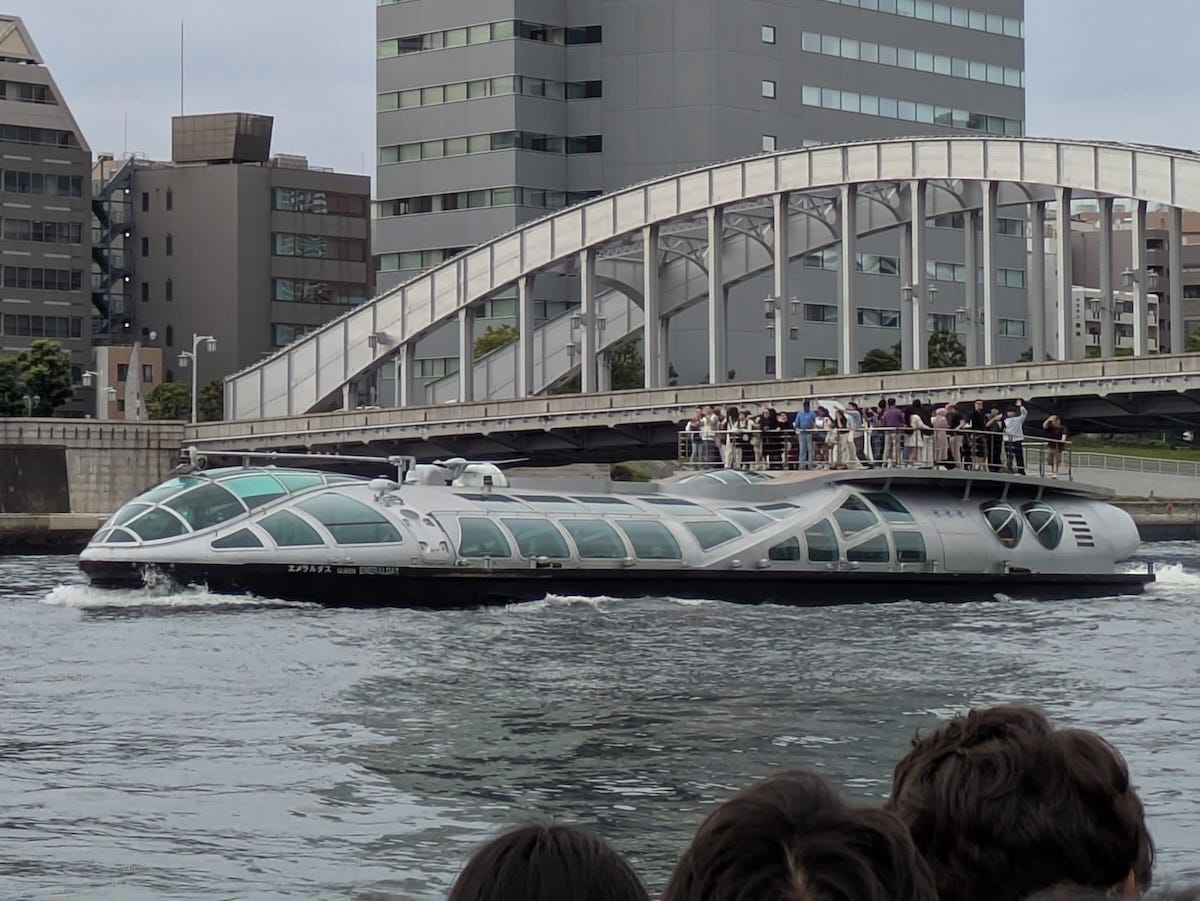
When we first returned to Japan in February, my wife and I stayed in a short let apartment (a monthly mansion, in Japanese) near Kayabacho. I crossed a bridge over the Nihonbashi River, where it enters the Sumida, every time I went out. Sometimes I’d see a little working riverboat putting up it. I always wondered where that river led.
I sat up straighter when we turned to enter it, cruising under that same bridge and down the stretch of water I’d walked along so many times this year.
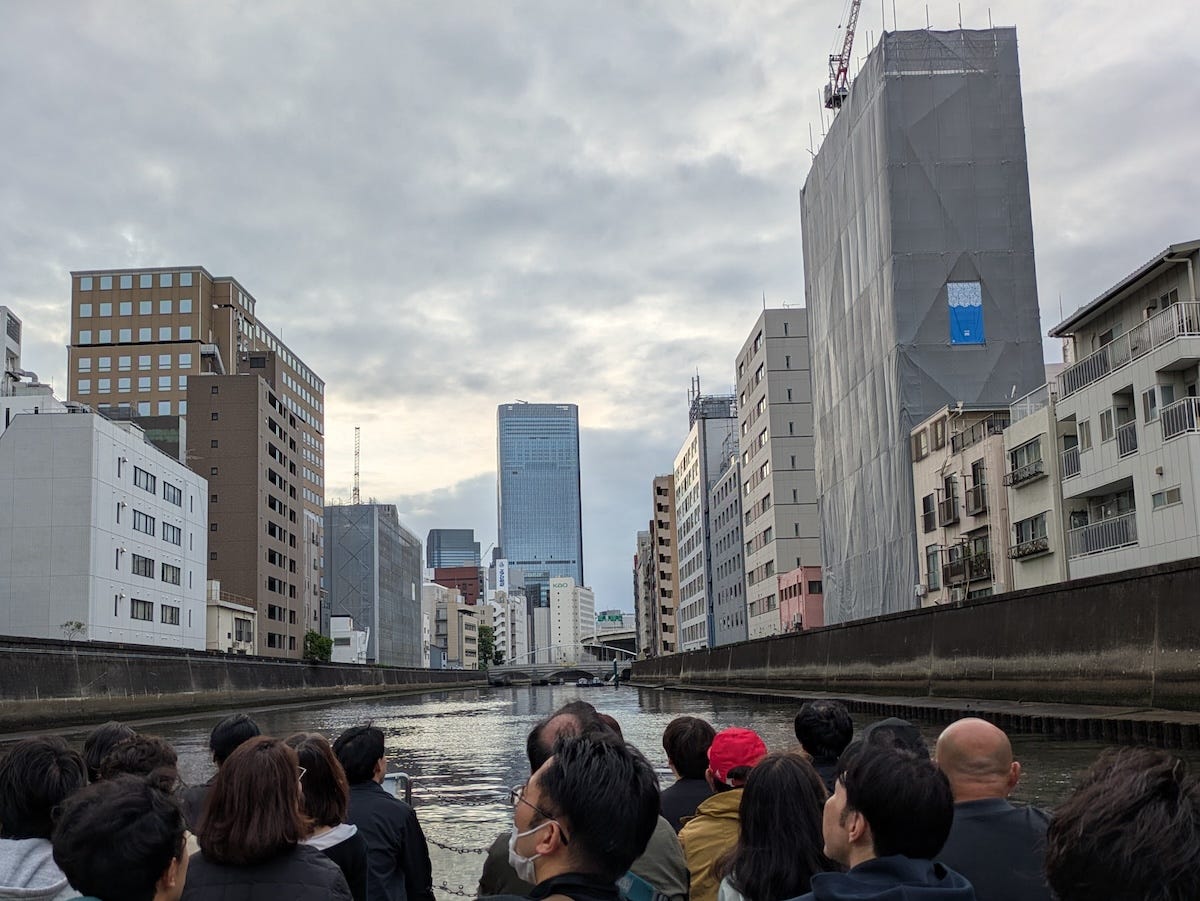
Beyond a second bridge, we encountered the elevated Metropolitan Expressway that we would travel beneath for most of the journey. In a city as congested as Tokyo, there wasn’t enough free space to build highways in 1962 and so they raised them up and followed the rivers.
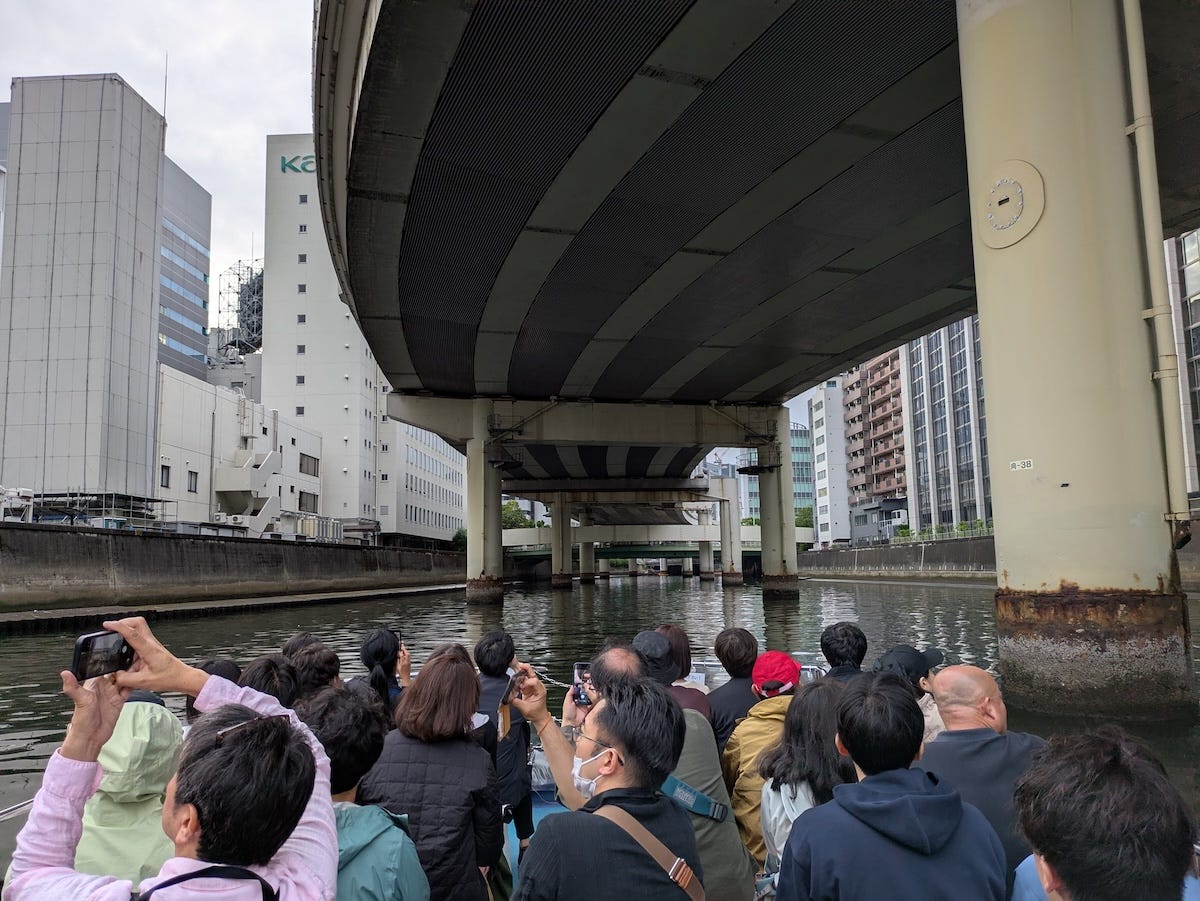
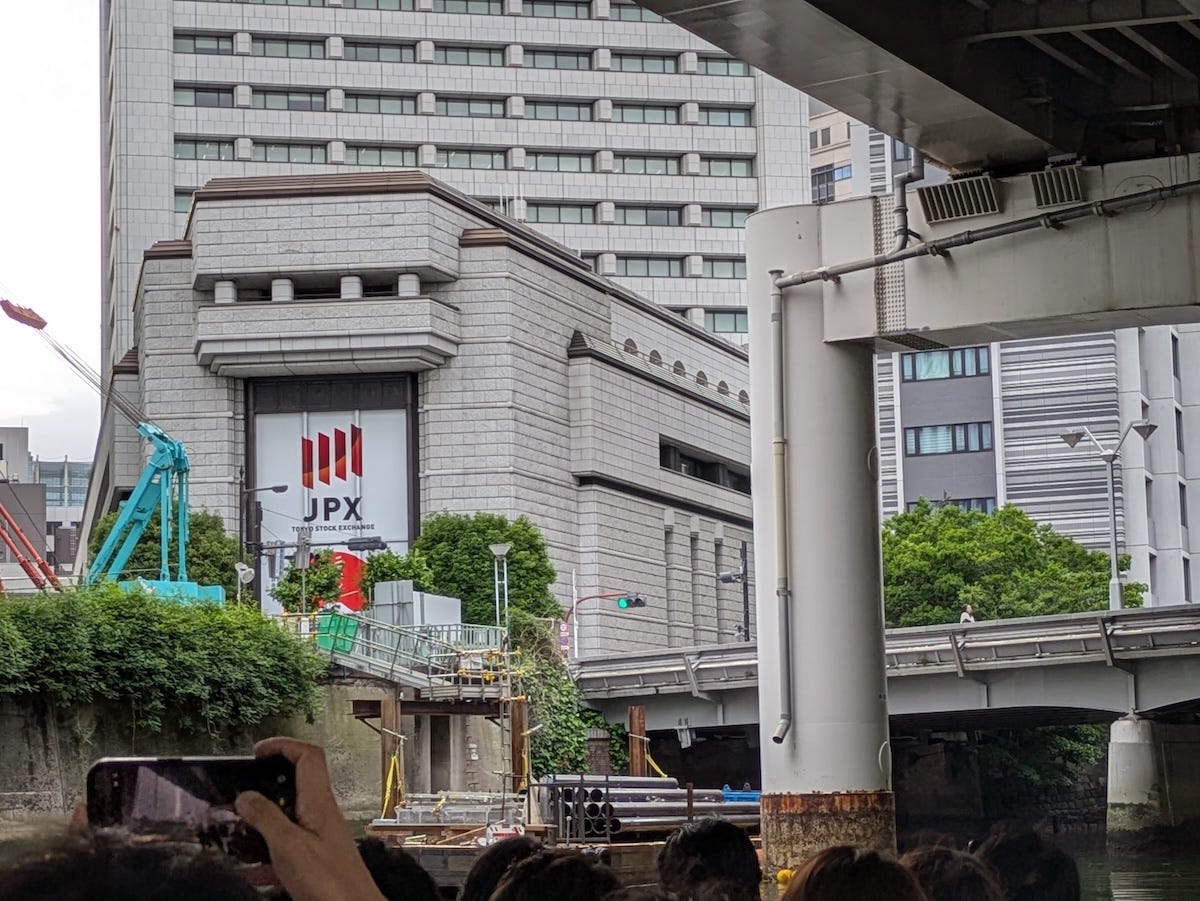
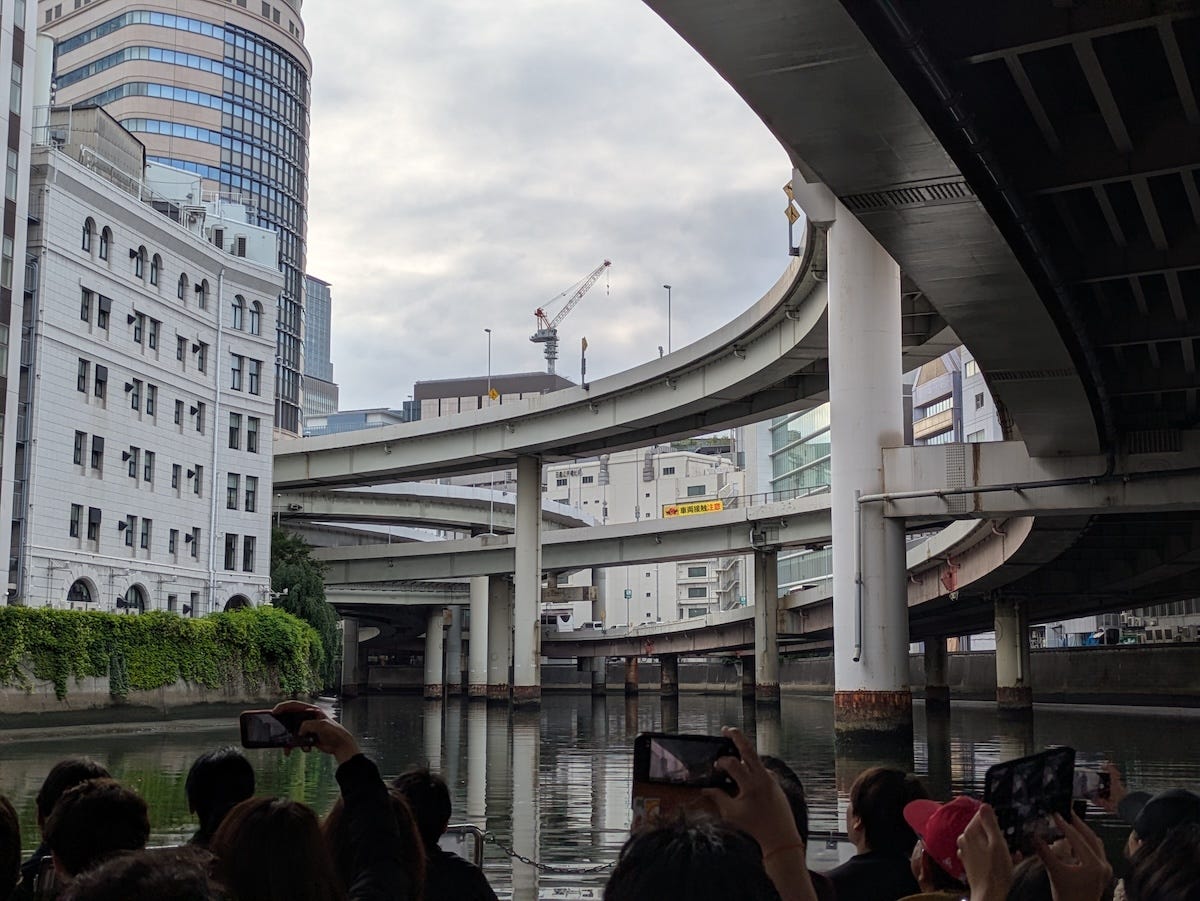
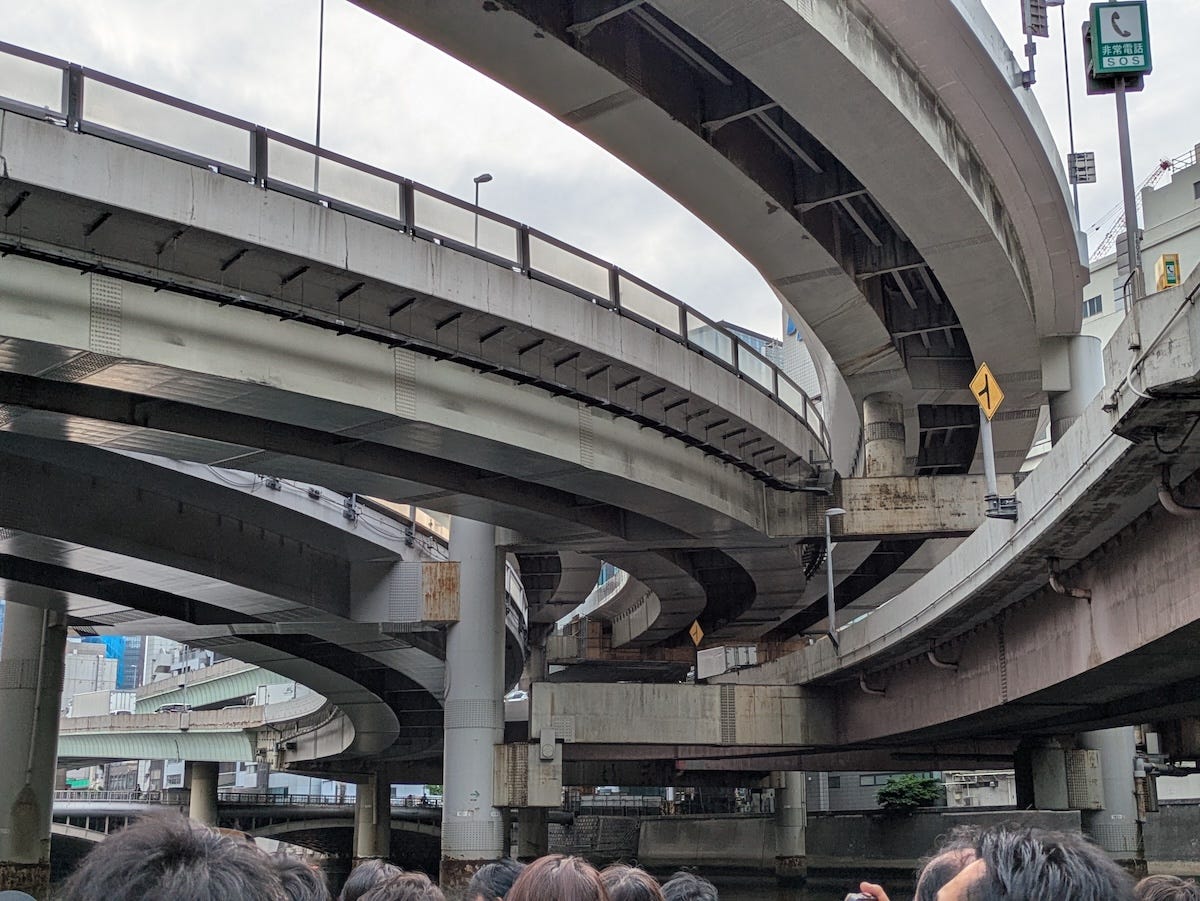
I’d seen the massive pillars of the Inner Circular Route CI beneath one of the Shuto Expressway’s junctions near the Kayabacho neighbourhood where we stayed, and now we were drifting among them.
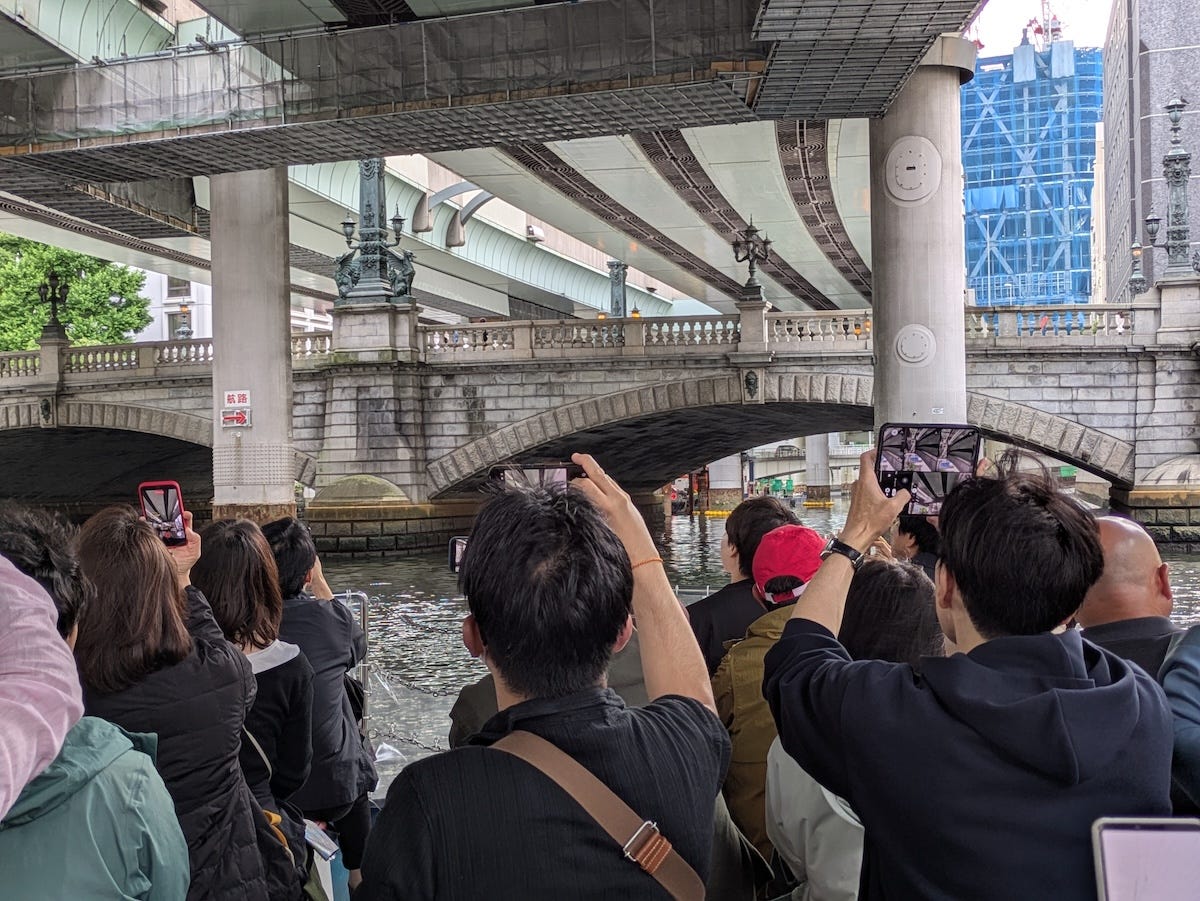
This special cruise was part of the Tokyo Architecture Festival, so naturally an architect was with us to explain each the dozens of bridges we passed under. Many were named for an industry that flourished in the neighbourhood we were passing through. These iron, steel, stone and concrete structures are themselves keys to history.
We carried reprints of an old map that showed Edo-era Tokyo — long before all those artificial islands were built with reclaimed land in the Bay — scattered with dense patterns of family crests, noting the main businesses associated with each clan.
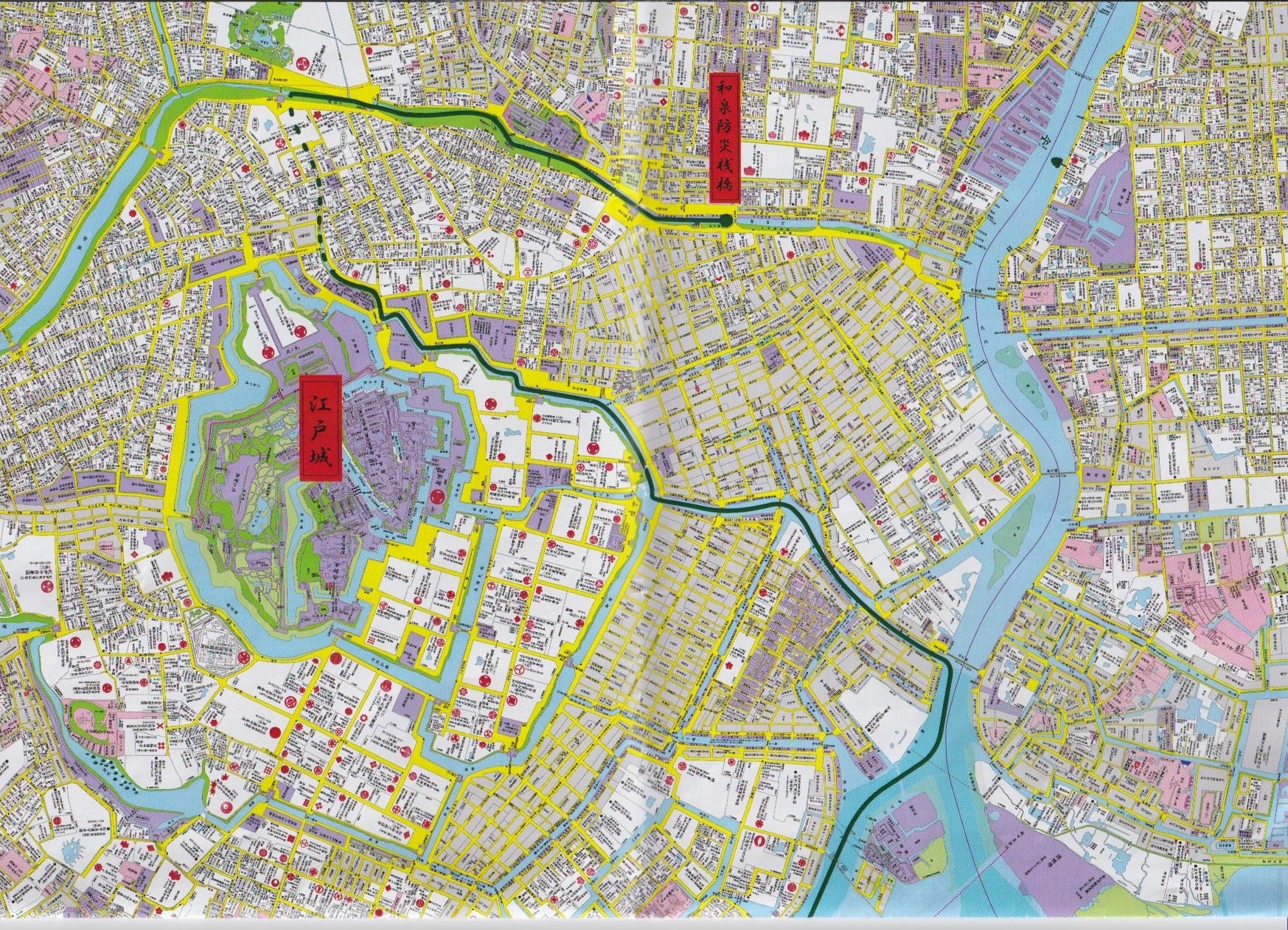
The area inside what was then the outer defences of Edo Castle were packed dense with the crests of the daimyo who maintained households around the castle of the Tokugawa Shogun, spent every other year there, and left family members as hostages when they went back to their distant fiefs.
The area previously occupied by those daimyo is now the vicinity of Tokyo Station and Nihombashi, and the land where Edo Castle once stood is the Imperial Palace and gardens, a vast green space that is the world’s most valuable piece of real estate, worth more than the entire state of California during Japan’s economic bubble years of the 1980s.
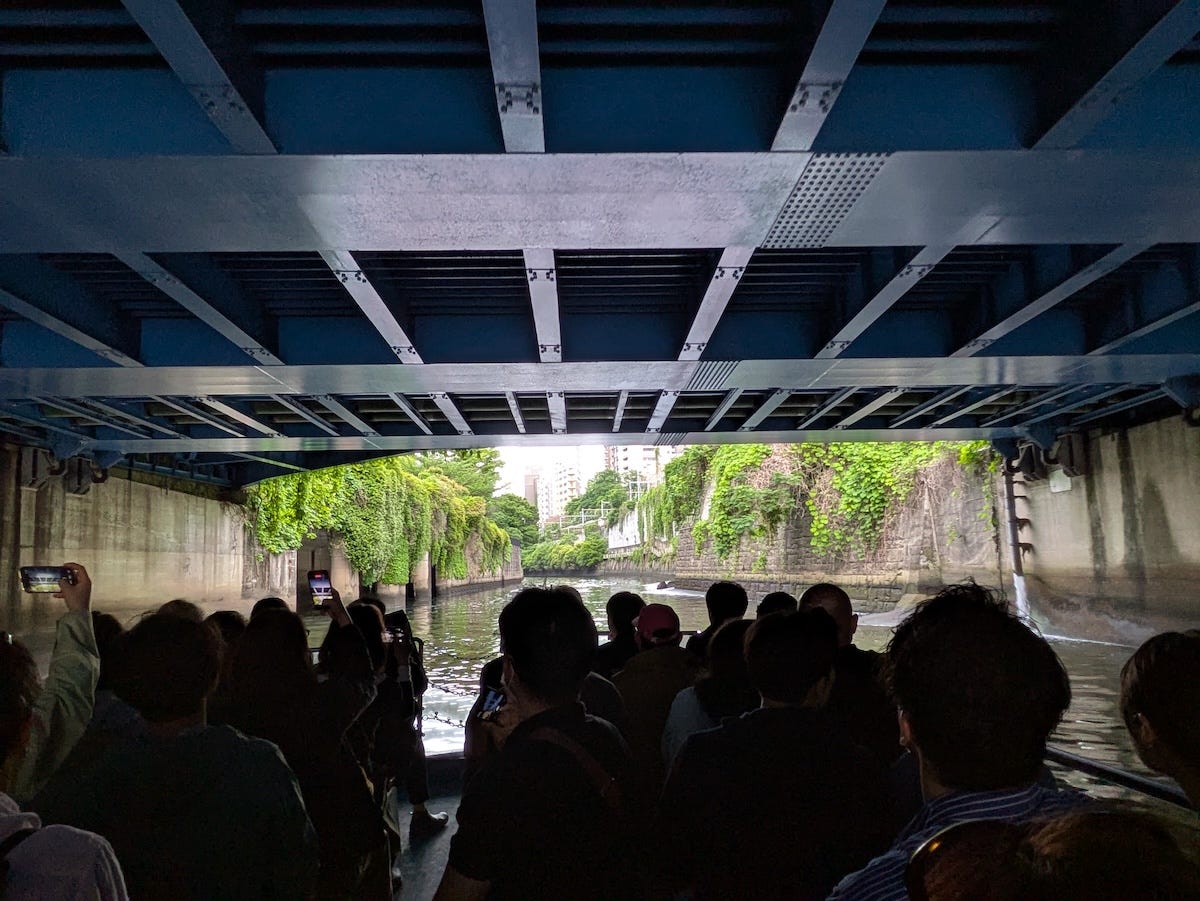
After winding around the palace precincts, we made a sharp turn north to meet the Kanda River where it flows through a canyon of buildings towards the Sumida River and the sea.
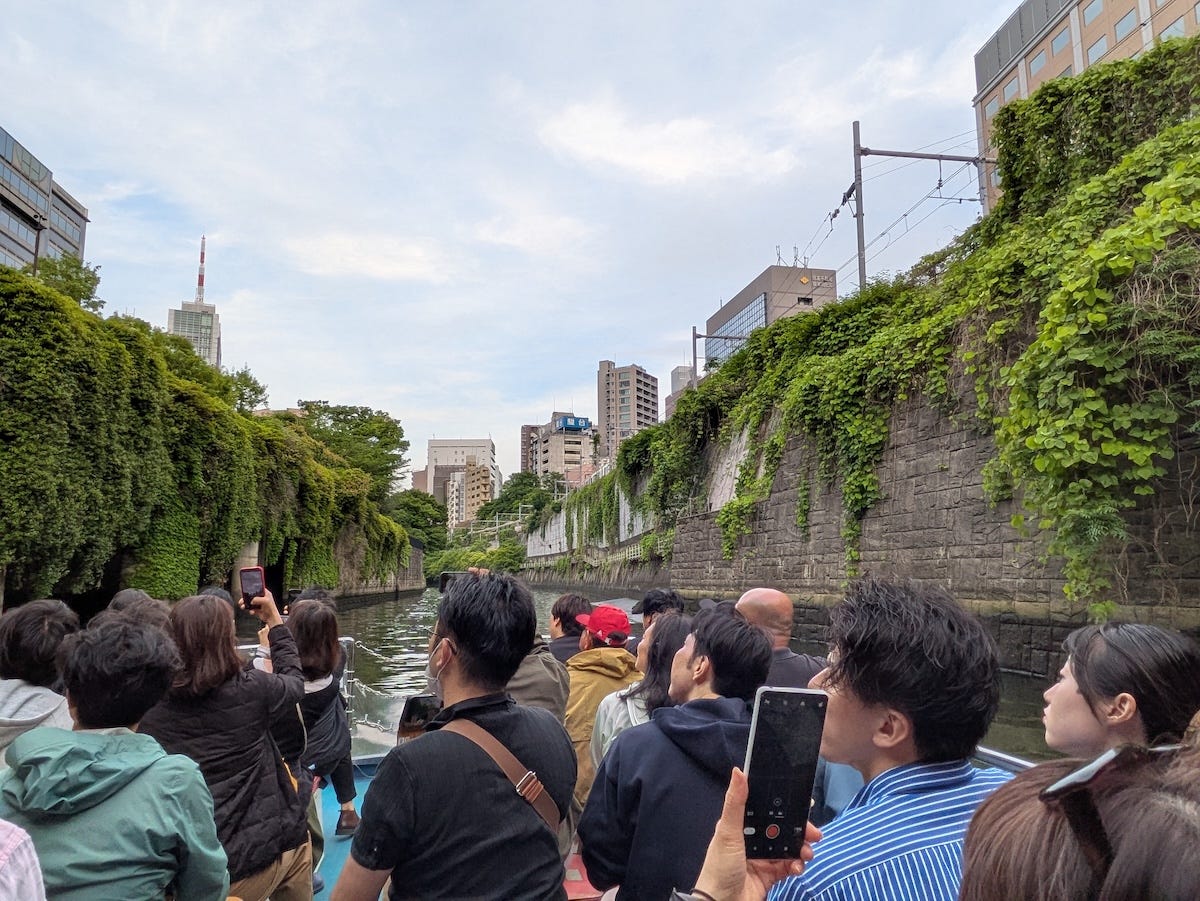
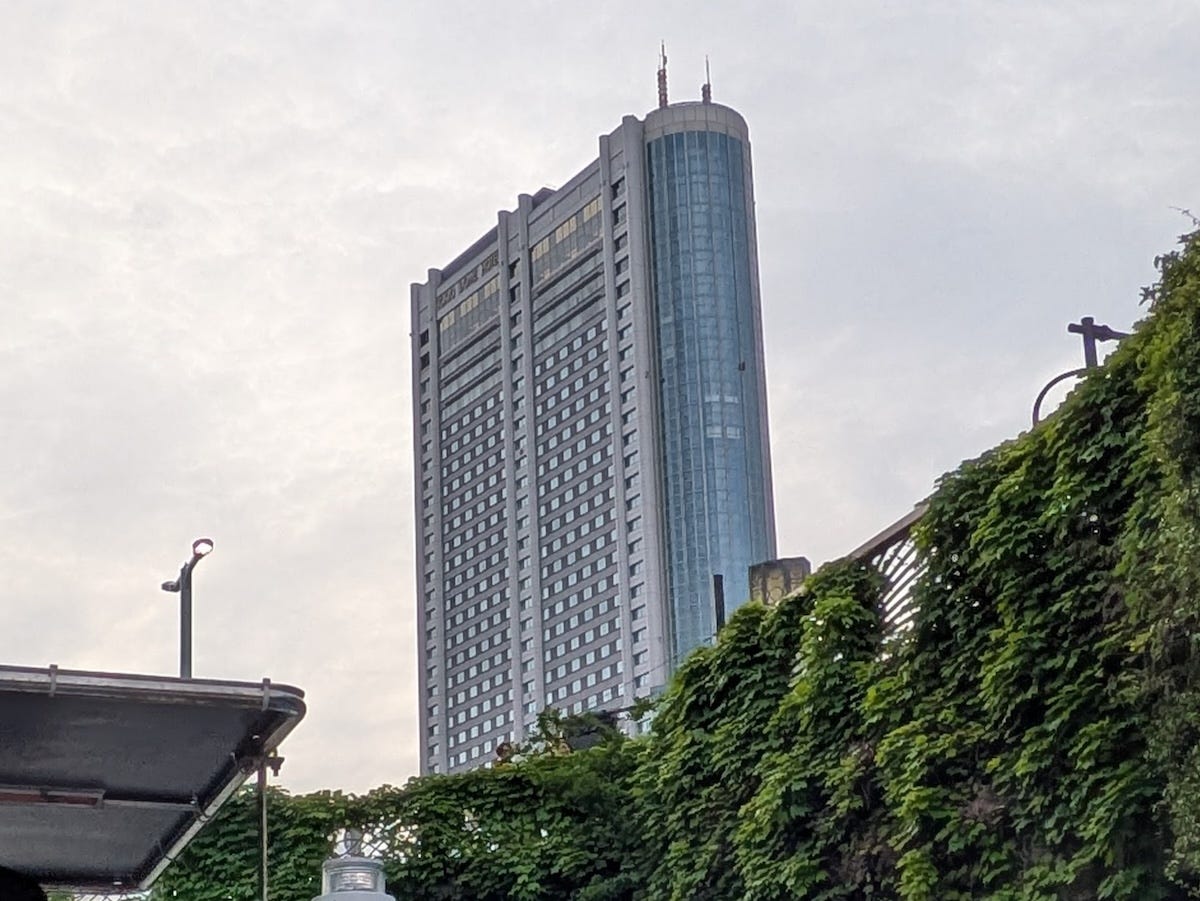
Our route took us past the Tokyo Dome (the city’s baseball stadium), where cheerful fans fuelled by beer had just left after a game.
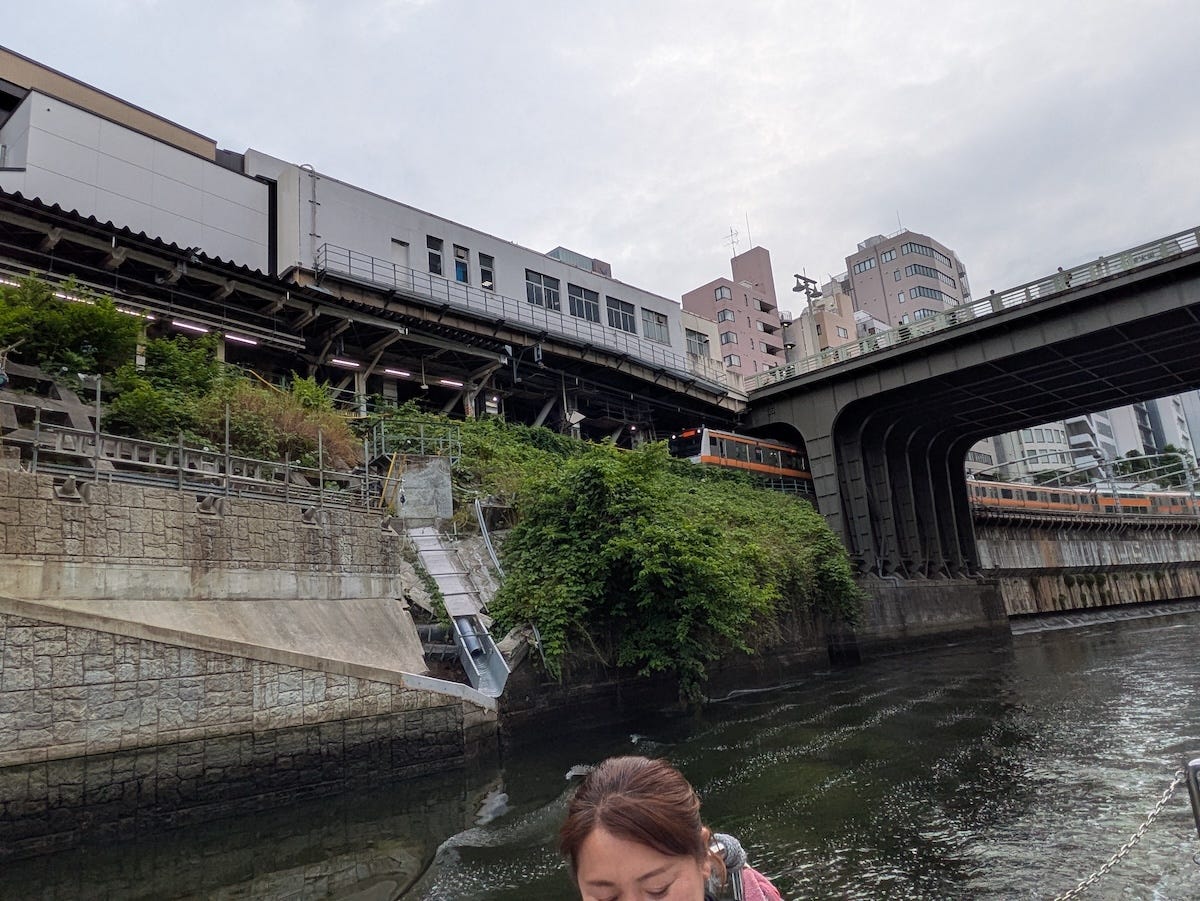
We also passed Ochanomizu railway station, a junction where three lines cross, prompting train spotters to line nearby bridges hoping to capture a shot of three trains passing simultaneously.
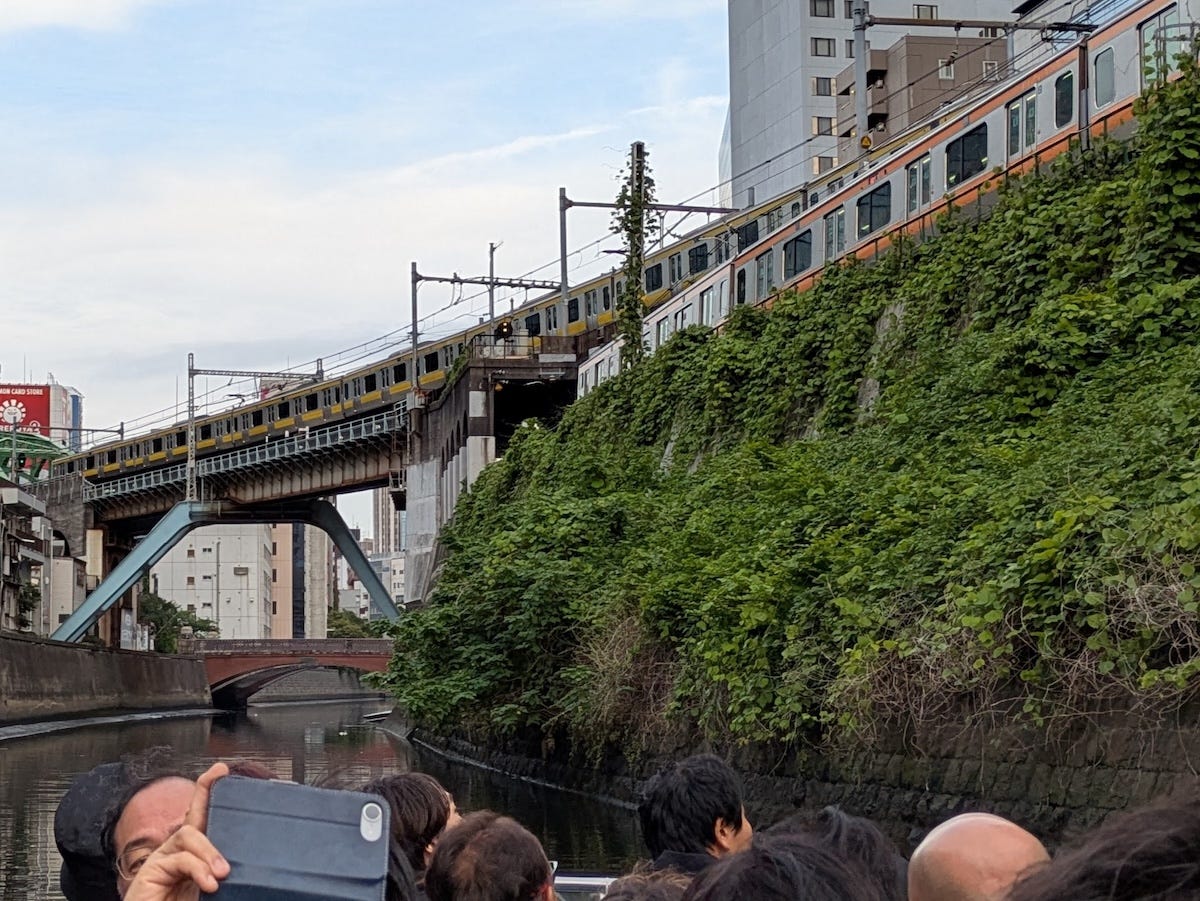
Here are a few more river views.
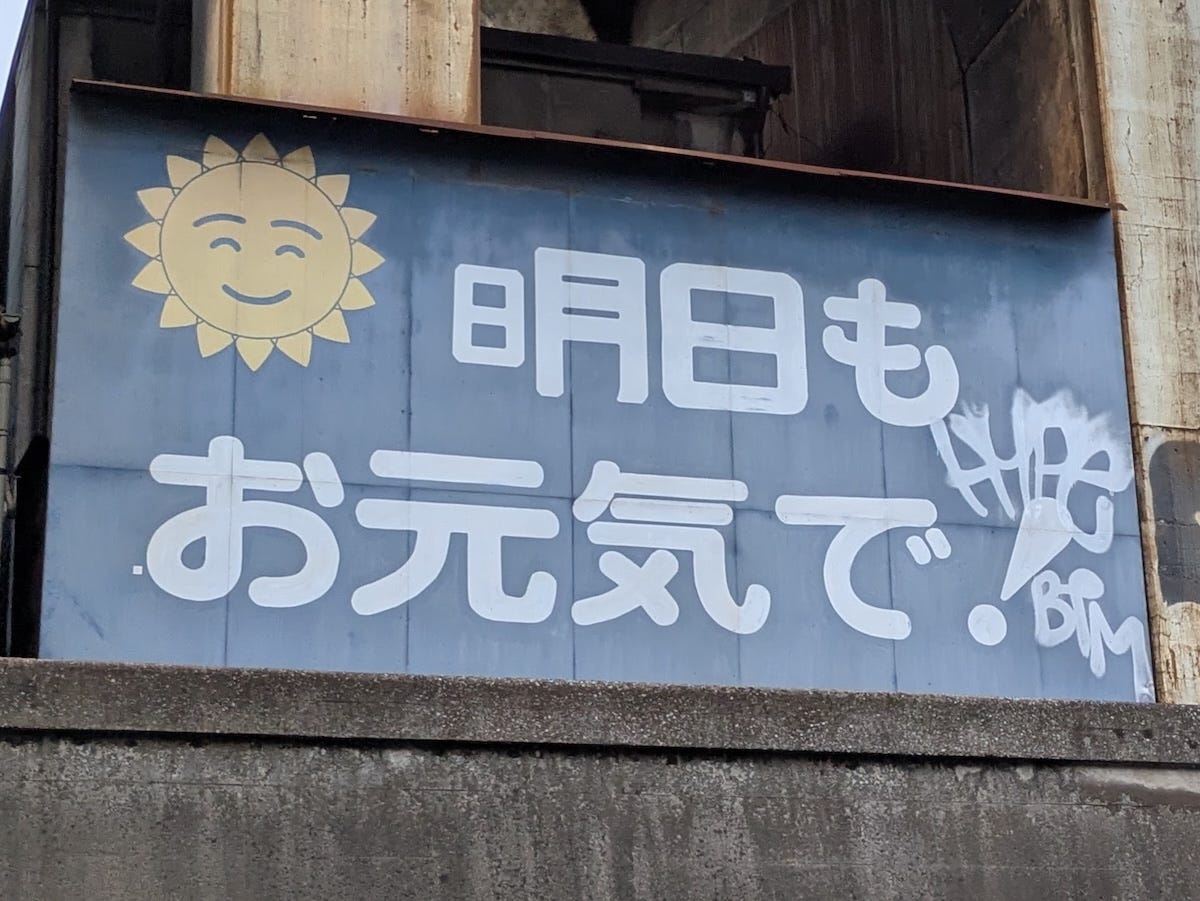
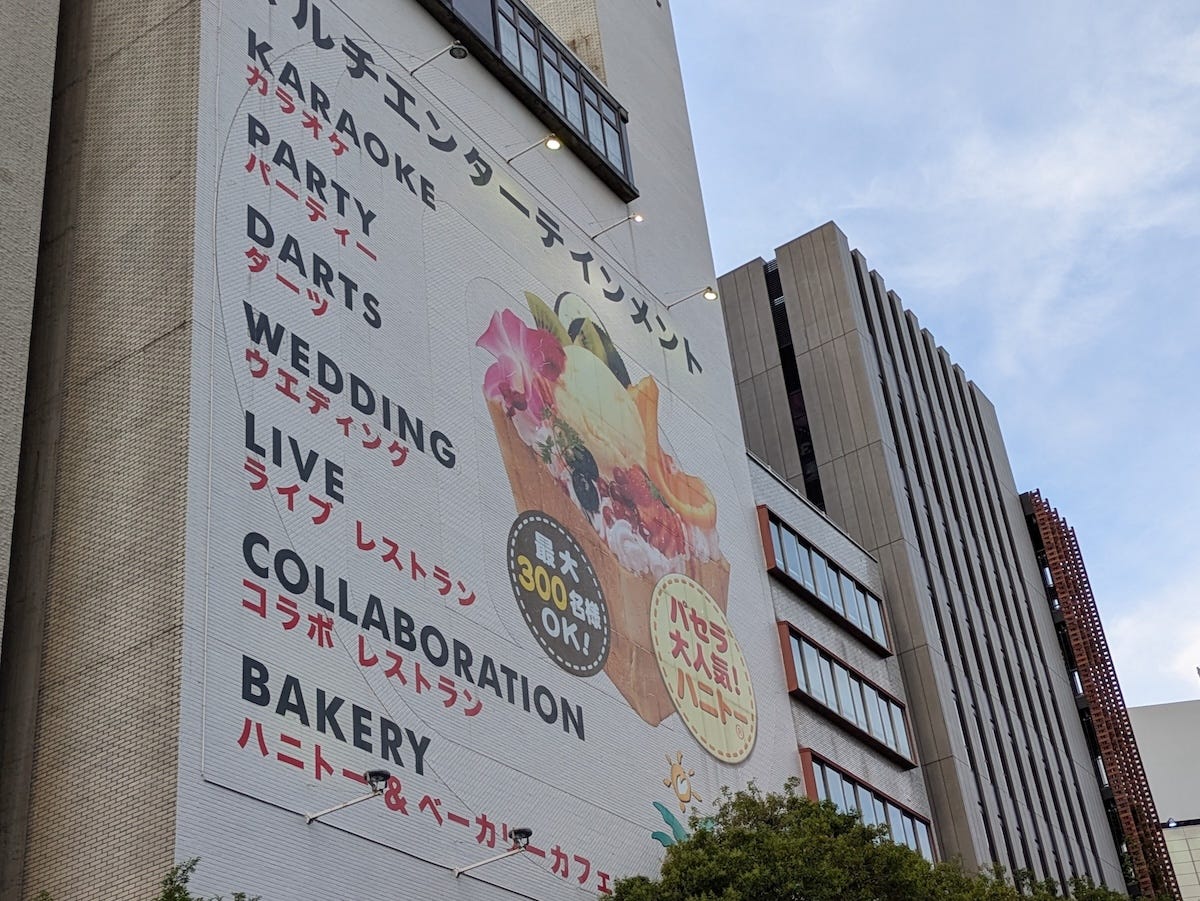
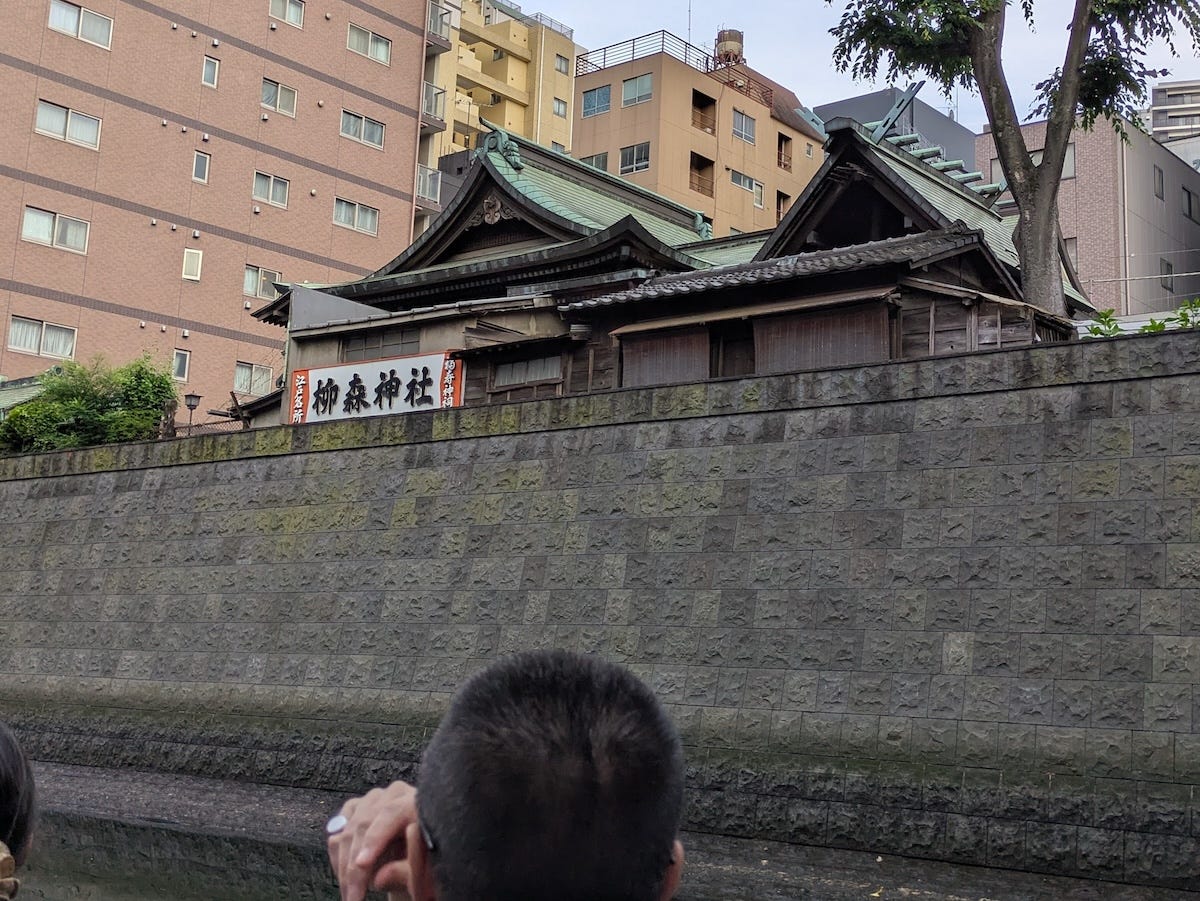
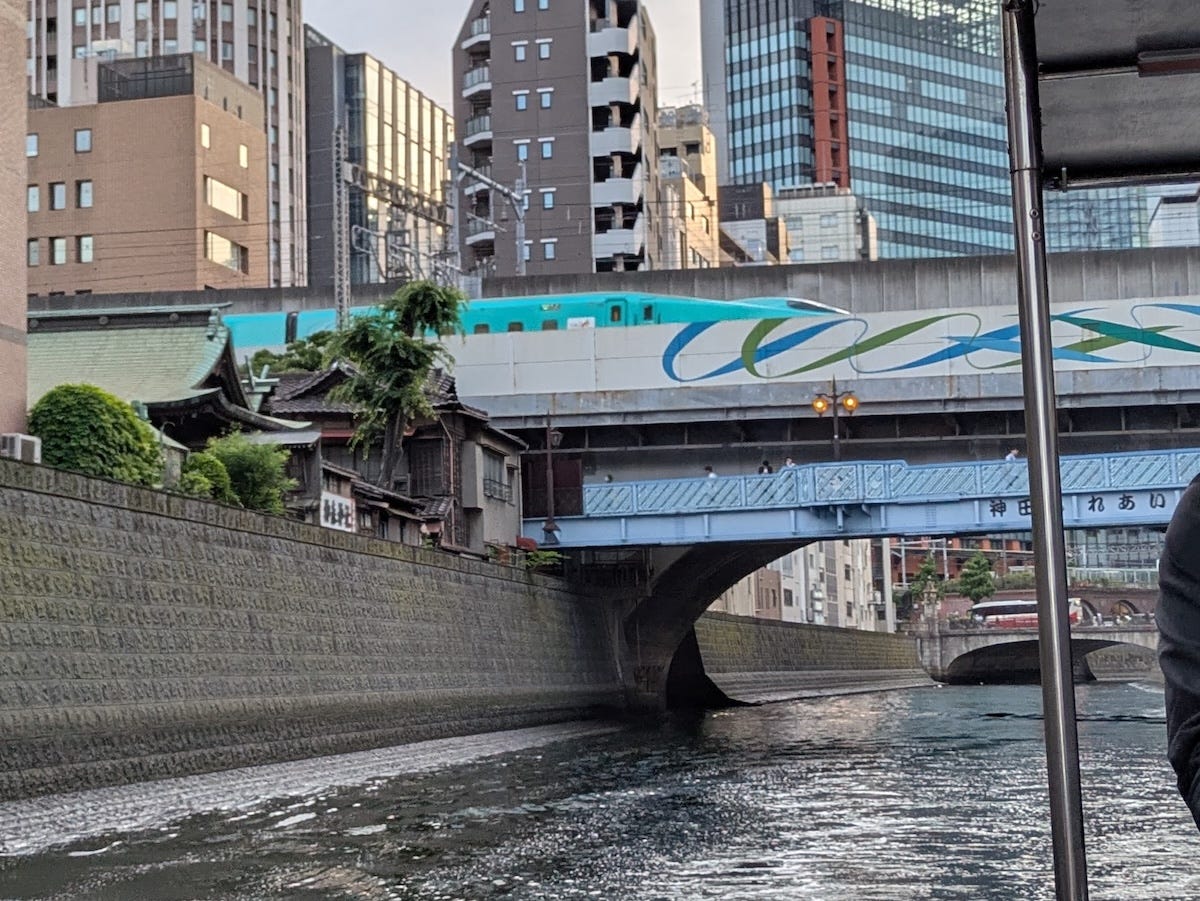
It all went by so quickly, and it left me curious to explore canals and rivers on the other side of the Sumida.
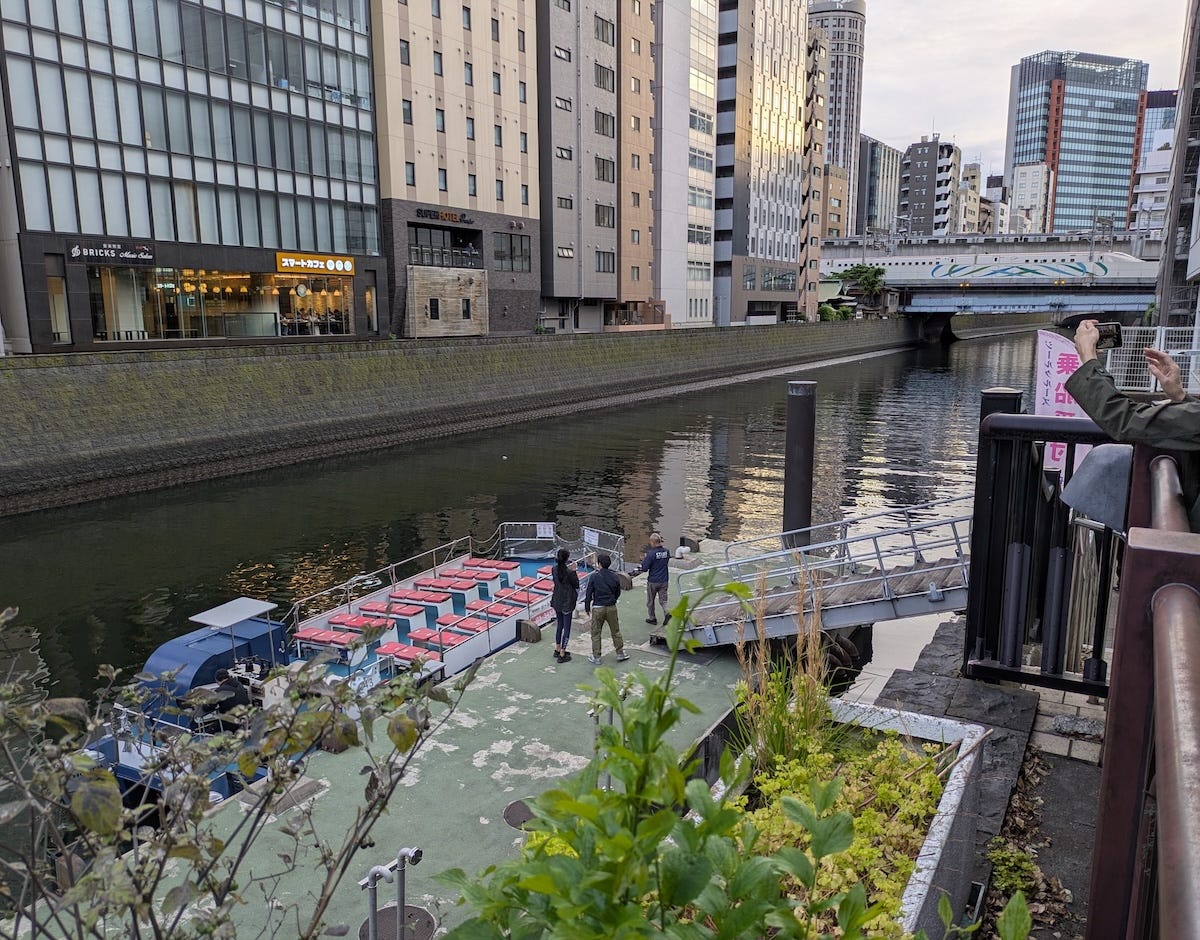
I hope these images give you a sense of a hidden side of this city.
The bridge names still carry the trades. History invisible until you float past it. That layer of texture — the Edo-era map beneath the expressway — is what most people miss entirely.